
GABRIEL THERAPY GROUP
Build the Foundation Your Child Needs to Move, Focus, and Thrive
A 2-week intensive Occupational Therapy program designed to support children with motor delays, handwriting challenges, coordination difficulties, and regulation needs—by targeting the root of the challenge within the nervous system.
Apply for an Intensive Sessions


DOES THIS SOUND LIKE YOUR CHILD?
You know your child is capable… but some things feel harder than they should.
"Has difficulty sitting upright or maintaining posture"
"Appears clumsy, uncoordinated, or avoids physical activity"
“Struggles to use both hands together (bilateral coordination)”
“Has trouble learning new motor tasks (motor planning)”
"Struggles with handwriting, coloring, or using scissors"
"Gets frustrated easily or shuts down during tasks"
"Has difficulty with transitions or changes in schedules"
"Avoids playground equipment or sports"
"Has difficulty focusing, staying on task, or regulating emotions"
"Tires quickly during schoolwork or fine motor tasks"


WHAT’S REALLY GOING ON?
When the foundation isn’t strong, everything feels harder.
Children rely on strong foundational systems to support everyday tasks like sitting, writing, playing, and focusing.
When there are challenges such as:
-
Motor delays
-
Neuromuscular weakness
-
Impaired postural control
-
Poor coordination
-
Difficulty with bilateral integration (using both sides of the body together)
-
Retained primitive reflex patterns
…it can impact how efficiently and confidently a child moves, learns, and engages in daily life.
Understanding Primitive Reflexes
Primitive reflexes are automatic movement patterns present at birth that should integrate as the brain matures.
When these reflexes remain active, they can interfere with:
-
Core strength and posture
-
Handwriting and fine motor control
-
Coordination and balance
-
Speech and language development
-
Visual-motor integration
-
Emotional regulation
-
Attention and focus
…it can impact how efficiently and confidently a child moves, learns, and engages in daily life.


If the foundation is unstable, higher-level skills like writing, attention, and coordination will continue to feel difficult—no matter how much practice a child gets.


Traditional once-a-week therapy often isn’t always enough to create lasting change in the nervous system in a timely manner. Many children benefit from a more intensive approach to develop skills through neuroplasticity and high repetition of functional skills.
Our intensive model provides:High-frequency repetition to strengthen neural pathwaysConsistent daily input to support motor learningFocused intervention targeting foundational movement patternsAccelerated progress compared to traditional modelsIndividualize treatment plans for explicit and intentional targets
Instead of working around the challenge, we directly target the systems that are causing it for your child specifically
WHAT YOUR CHILD COULD GAIN
Real Progress in Movement, Confidence, and Function
For Your Family:
-
Clear understanding of your child’s needs
-
Tools and strategies to support progress at home
-
A plan for continued growth beyond therapy
-
Relief in knowing how to help your child succeed
For Your Child:
-
Improved fine motor skills (handwriting, grasp, dexterity)
-
Increased strength and endurance
-
Better postural control for sitting and learning
-
Improved coordination and balance
-
Enhanced bilateral coordination (using both hands together)
-
Improved motor planning and ability to learn new tasks
-
Increased body awareness and control
-
Greater confidence in daily activities
For Daily Function & School Success:
-
Improved handwriting and classroom performance
-
Increased attention and ability to stay on task
-
Better participation in school and play
-
Reduced frustration and avoidance behaviors
-
Greater independence with daily tasks
WHAT MAKES GTG DIFFERENT
We don’t just treat symptoms—we address the “why.”
At Gabriel Therapy Group, our approach goes beyond surface-level skills.
Or call 321-972-4122


We target:
-
Primitive reflex integration
-
Functional movement patterns
-
Core strength and postural control
-
Neuromuscular development
-
Sensory and nervous system regulation
Individualized Care:
Every child receives a customized plan based on a comprehensive evaluation.
Signature Statement:
We don’t just work with your child—we equip you with the knowledge and tools to support their growth long after therapy ends. If you need more help or understanding, we are always here!
Our Clinician

"Helping children build confidence, independence, and the skills they need to thrive."
Alejandra Casado
OTR/L, CAS, CPRCS
PROGRAM DETAILS
2-Week Intensive Structure
-
Schedule: Monday–Friday
-
Time: 8:00–9:30 AM
-
Duration: 2 weeks (15 total therapy hours)
-
Option: Enroll in multiple sessions (up to 6 weeks total)
Investment:
$2,500 per 2-week sessionIncludes evaluation, therapy, parent coaching, and home programming.
What’s Included:
Thorough case history and initial consultation to discuss possible outcomes and family goals.
-
A Comprehensive evaluation
-
Individualized plan of care with specific goals and progress monitoring towards goals
-
15 hours of direct, one-on-one therapy
-
Daily targeted interventions for motor and neurological development
-
Daily Mid-session break with parent education
-
Weekly parent coaching with designated time on Fridays to review all the details from the week.
-
Home exercise program and ongoing recommendations
-
End-of-program resources for continued success

PARENT INVOLVEMENT
You are a key part of your child’s progress
We believe progress happens beyond the therapy room.
-
Each week includes:
-
Parent education during sessions
-
Hands-on coaching and strategy development
-
Clear home programs to support carryover
You will leave this program not just with progress—but with confidence in how to support your child.
WHO THIS IS FOR
This program is ideal for children who:
-
Have motor delays or delayed milestones
-
Demonstrate poor coordination or frequent clumsiness
-
Have difficulty using both hands together
-
Show low muscle tone or neuromuscular weakness
-
Struggle with handwriting or fine motor skills
-
Have impaired posture or fatigue easily
-
Struggle with motor planning or learning new movements
-
Show signs of retained primitive reflexes
-
Have difficulty with attention, focus, or regulation
LIMITED AVAILABILITY
Spots Are Limited
To ensure individualized care and meaningful progress, we accept a limited number of children per session.
Or call 321-972-4122
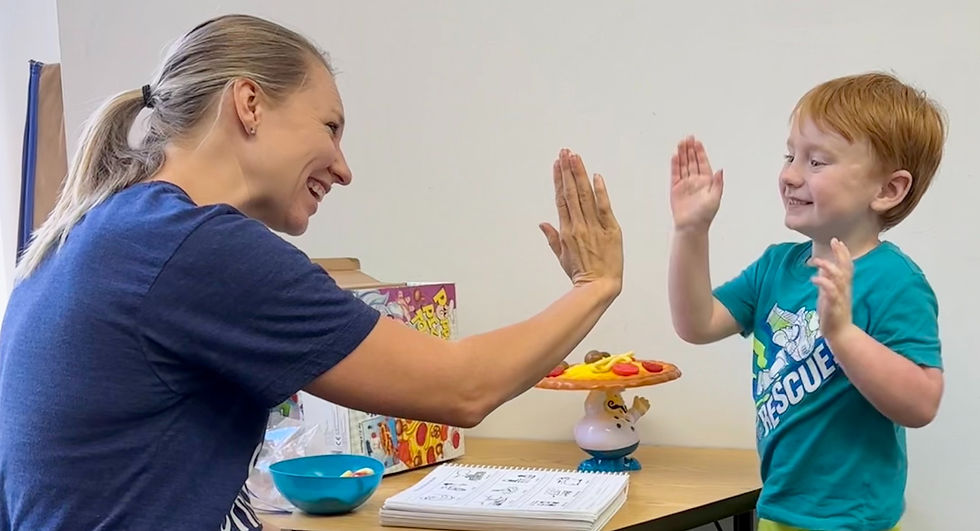
Your child’s struggles are not a reflection of their potential.
With the right support, the right approach, and the right intensity—
real progress is possible.
This summer can be the turning point.
Or call 321-972-4122
FREQUENTLY ASKED QUESTIONS
Summer Occupational Therapy Intensives at Gabriel Therapy Group
What is an Occupational Therapy Intensive?
An Occupational Therapy Intensive is a short-term, high-frequency therapy model where your child receives daily therapy sessions over a 2-week period.
Instead of once-a-week sessions, this approach provides:
-
Increased repetition
-
Consistent support
-
Focused intervention
This allows us to target foundational skills more efficiently and create meaningful progress in a shorter period of time.
What are primitive reflexes and why do they matter?
Primitive reflexes are automatic movement patterns present at birth that help infants survive and develop.
As the brain matures, these reflexes should integrate.
When they remain active, they can interfere with:
-
Posture and core strength
-
Handwriting and fine motor skills
-
Coordination and balance
-
Attention and focus
-
Emotional regulation
Our program targets the integration of these reflexes to support more efficient movement and learning.
Will I be involved in the therapy process?
Yes—and this is a key part of our program.
We include:
-
Parent education during sessions
-
Weekly coaching sessions (Fridays)
-
Home program guidance
Our goal is to empower you with tools and strategies so progress continues beyond the clinic.
Are consultations available before committing?
Yes! We offer consultations (virtual or in-person) to:
-
Discuss your concerns
-
Determine if your child is a good fit for this therapeutic approach
-
Answer your questions
What is included in the cost?
The $2,500 investment includes:
-
Comprehensive evaluation and case history
-
Individualized plan of care
-
15 hours of direct therapy
-
Daily individualized sessions
-
Weekly parent coaching sessions
-
Home exercise program and recommendations
-
End-of-program resources
What should my child bring each day?
We recommend bringing:
-
A small snack and water
-
Comfortable clothing for movement
-
Any necessary personal items
Your child’s plan of care will be discussed prior to the first day to allow for planning on what all to bring. Sometimes, items from home will be requested to personalize the skill and allow for functional carryover outside of the therapy sessions.
Why choose an intensive instead of weekly therapy?
Weekly therapy is helpful for maintenance and gradual progress, but some children need a more focused approach to move forward.
Intensives are ideal because they:
-
Build stronger neural pathways through repetition
-
Allow for faster skill development
-
Reduce gaps between sessions
-
Target root challenges instead of just symptoms
Many families see more noticeable progress in 2 weeks of intensive therapy than in several months of weekly sessions.
Can this help with handwriting and fine motor skills?
Yes. Many children struggle with handwriting due to underlying challenges such as:
-
Weak core and postural control
-
Poor hand strength or coordination
-
Difficulty with bilateral coordination
-
Retained reflexes impacting hand function
By addressing these foundational areas, we often see improvements in:
-
Pencil grasp
-
Letter formation
-
Endurance
-
Overall confidence with writing tasks
What does a typical session look like?
Each 90-minute session includes:
-
Targeted therapeutic activities based on your child’s goals
-
Movement-based and functional skill development
-
A mid-session break for snack and parent education
-
Time for questions and guidance
Every session is customized to your child’s needs.
Can my child participate in more than one session?
Yes. Children can enroll in back-to-back sessions for continued progress.
We recommend:
-
No more than 6 consecutive weeks at a time
Your therapist will guide recommendations based on your child’s needs.
What kind of results can we expect?
Every child is different, but families often report:
-
Improved coordination and strength
-
Better posture and endurance
-
Increased confidence
-
Improved participation in school and play
-
Reduced frustration with daily tasks
Our goal is meaningful progress that carries over into everyday life.
What happens after the intensive ends?
At the end of the program, you will receive:
-
A home exercise program
-
Recommendations for continued support
-
Option for follow-up consultations
-
Guidance for next steps (if needed)
Who is this program best suited for?
This program is ideal for children who:
-
Have motor delays or delayed milestones
-
Struggle with handwriting or fine motor skills
-
Have difficulty with coordination or balance
-
Show low muscle tone or neuromuscular weakness
-
Have poor posture or fatigue easily
-
Struggle with using both hands together (bilateral coordination)
-
Have difficulty learning new motor tasks (motor planning)
-
Show signs of retained primitive reflexes
-
Have difficulty with attention, focus, or regulation
If you’re unsure, we recommend scheduling a consultation to determine if this is the right fit.
What types of activities will my child be doing?
Sessions are highly individualized and may include:
-
Core strengthening and postural control activities
-
Reflex integration exercises
-
Balance and coordination tasks
-
Fine motor and handwriting activities
-
Bilateral coordination work
-
Motor planning and functional movement tasks
All activities are designed to be engaging, play-based, and developmentally appropriate.
Do we need an evaluation before starting?
Yes. A comprehensive evaluation is required before the intensive begins.
This allows us to:
-
Understand your child’s strengths and challenges
-
Identify underlying factors impacting performance
-
Develop a highly individualized plan of care
Is this covered by insurance?
Intensive therapy is typically not covered by insurance, as most plans are designed for weekly therapy models.
We offer:
-
Private pay options
-
Accept the Step Up for Students Scholarship
-
Documentation for self submission to insurance for reimbursement (if applicable)
Will this help with school performance?
Yes. By improving foundational skills, many children experience:
-
Better attention and focus
-
Improved handwriting
-
Increased task completion
-
Greater independence in the classroom
How do I know if this is the right step for my child?
If you’ve felt like:
-
Progress has been slow
-
Your child is working harder than they should
-
You’re not getting to the root of the issue
This program may be exactly what your child needs.
How do we get started?
Getting started is simple:
Click here!
Or schedule a consultation by emailing admin@gabrieltherapygroup.com or calling at 321-972-4122
-
After your consultation, if your child is a candidate for an intensive session. You will be provided with a breakdown of services and a deposit of $500 will be required to hold your spot. A comprehensive evaluation will be scheduled
-
The remaining balance is due prior to the first day of therapy for your intensive session.